Why the hospital squirt bottle never became the consumer market
U.S. hospital-bag lists mention a peri bottle. What hospitals hand out is an 8-oz upright squirt bottle. The business was built on a later design gap: use it upside down, keep your hand out of the bowl.
Guides such as The Bump say it plainly: most U.S. hospitals issue a peri bottle to cleanse and lower infection risk; bring your own if you prefer. That sentence is the category’s origin — clinical need is real, but the hospital bottle is not the product people repurchase.
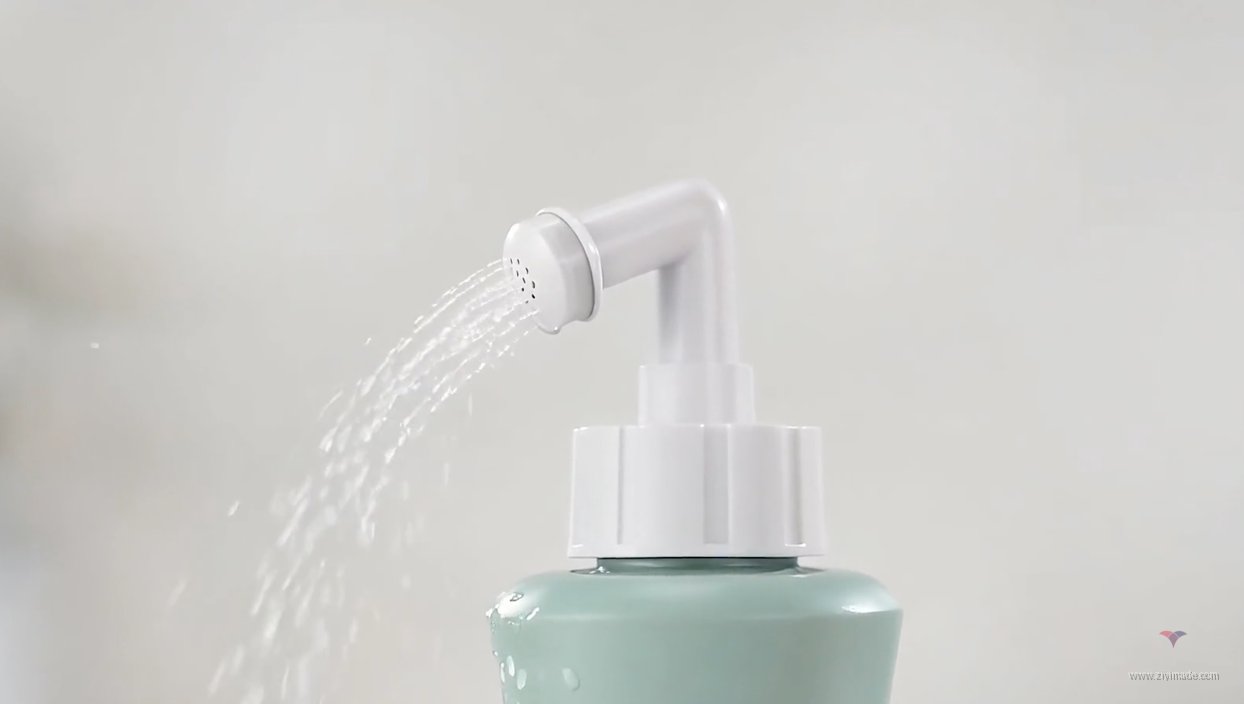
Wirecutter (The New York Times) made the gap tactile: the hospital jug is awkward to reach and easy to splash; Frida Mom’s upside-down bottle uses a long, narrow neck so you can rinse while seated, at about $14. The reviewer called it a “portable butt spa.” Same job, hospital version near free, branded version an order of magnitude more — that split is already on the shelf, not a slogan.
Three prices, three buying logics
Public wholesale and marketplace quotes (Accio’s Amazon/Alibaba scrape, Growth Market Reports–style sizing) stack roughly like this — treat the dollars as order of magnitude:
- In-hospital disposable / plain upright: about $0.20–$0.30 wholesale, often bundled into the stay. Many mothers discard it after discharge. Buyers are hospitals; they buy sterile packs and case packs, not colorways.
- Marketplace value: $5–$8 retail, about $1–$1.80 wholesale. Unbranded blue/orange Amazon listings can clear 1,000+ units a month. Tags say cheap and easy; complaints cluster on nozzle life and seals.
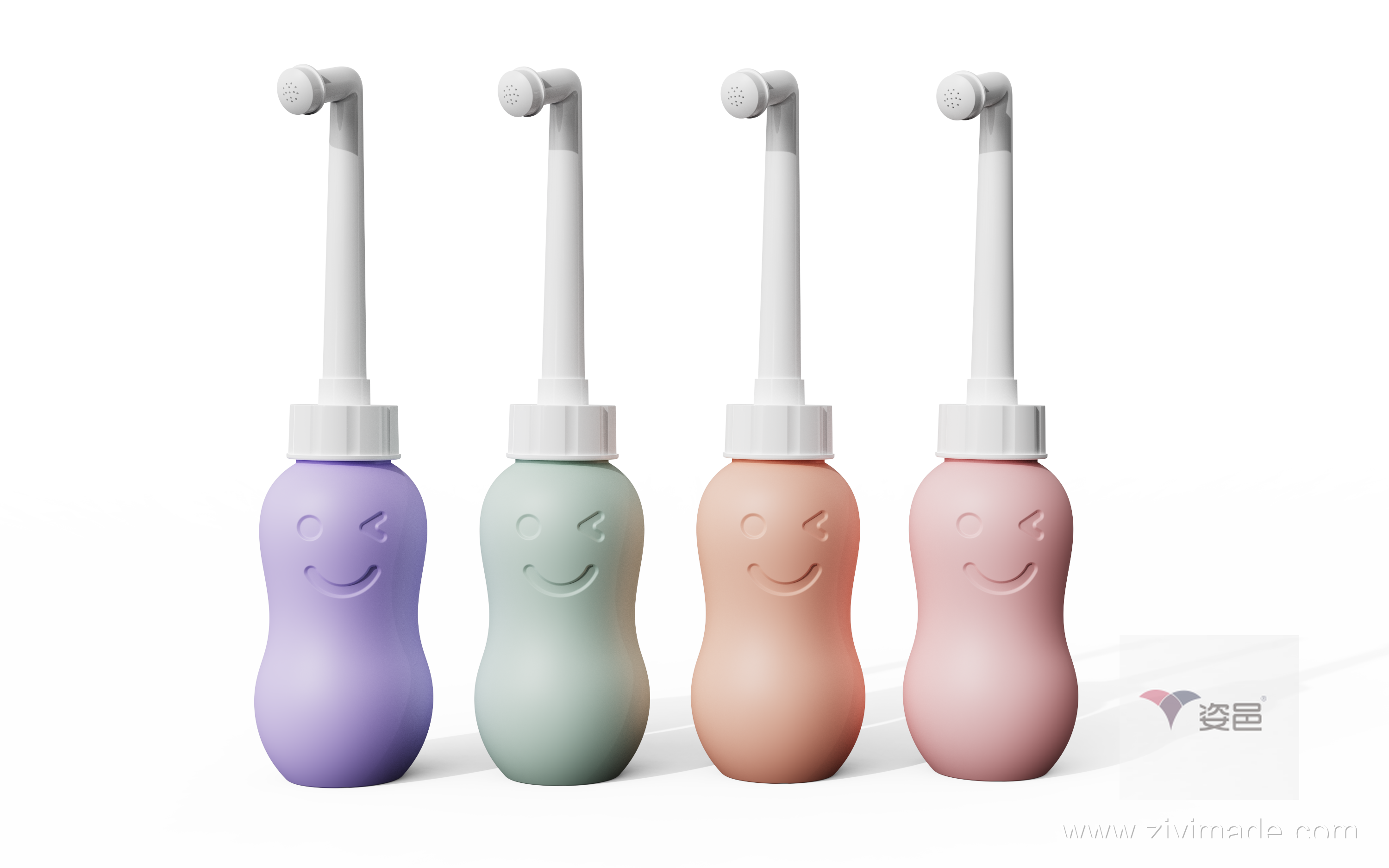
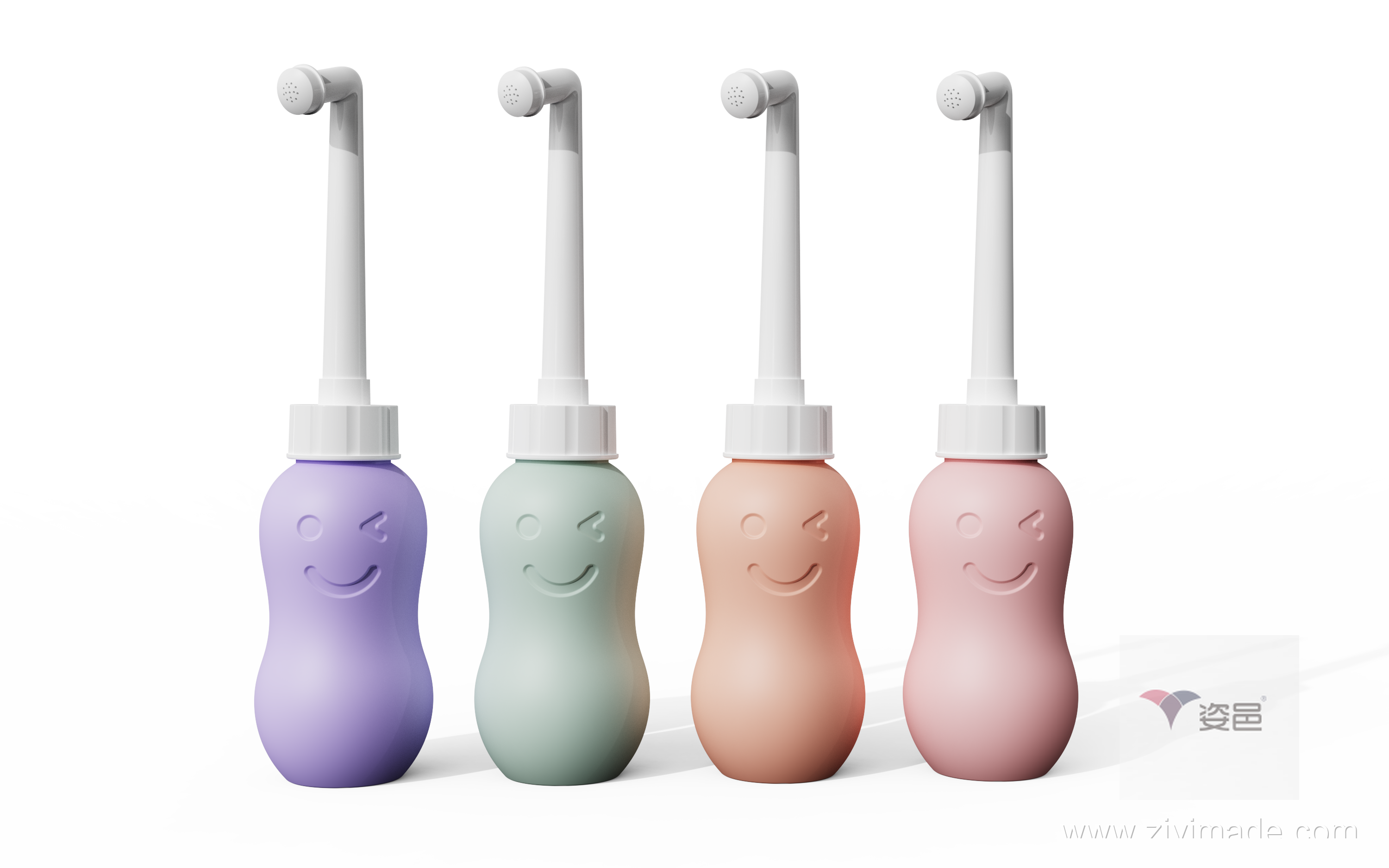
- Upside-down ergonomic: $12–$16 retail. Frida Mom is the sample the press names most; wholesale about $1.30–$3. Often kitted with witch-hazel liners, ice pads and foam.
One estimate puts the postpartum peri-bottle niche around $265 million (2024) to $436 million (2033), about 5–6% CAGR; another portable-peri report says ~$315 million in 2024 and ~$528 million by 2033. Do not audit those files. The direction is consistent: a small pool, growing because a hospital consumable became a take-home tool — not because the world had more births.
What sells is a motion, not a jug
Frida’s own page locks the job: hold it upside down so your hand stays out of the toilet; a thin angled neck; 10 oz; usable after vaginal birth and on a C-section incision. Wirecutter added a user-level detail — it shaves minutes of bathroom chaos. The hospital bottle fails that motion.
So the fight is not “prettier plastic.” The ward is held by medical suppliers such as Medline. DTC fights hospital-bag editors. Amazon value fights ads and color SKUs. The three layers rarely substitute: hospitals will not stop issuing free bottles because Frida went viral, and white-label will not vanish because a premium brand exists.
North America is written as nearly two-fifths of published peri-bottle share; Asia-Pacific as the fastest grower — more maternal spend and e-commerce than a unified clinical standard. Copying the U.S. “upgrade bottle” into every market misreads the channel.