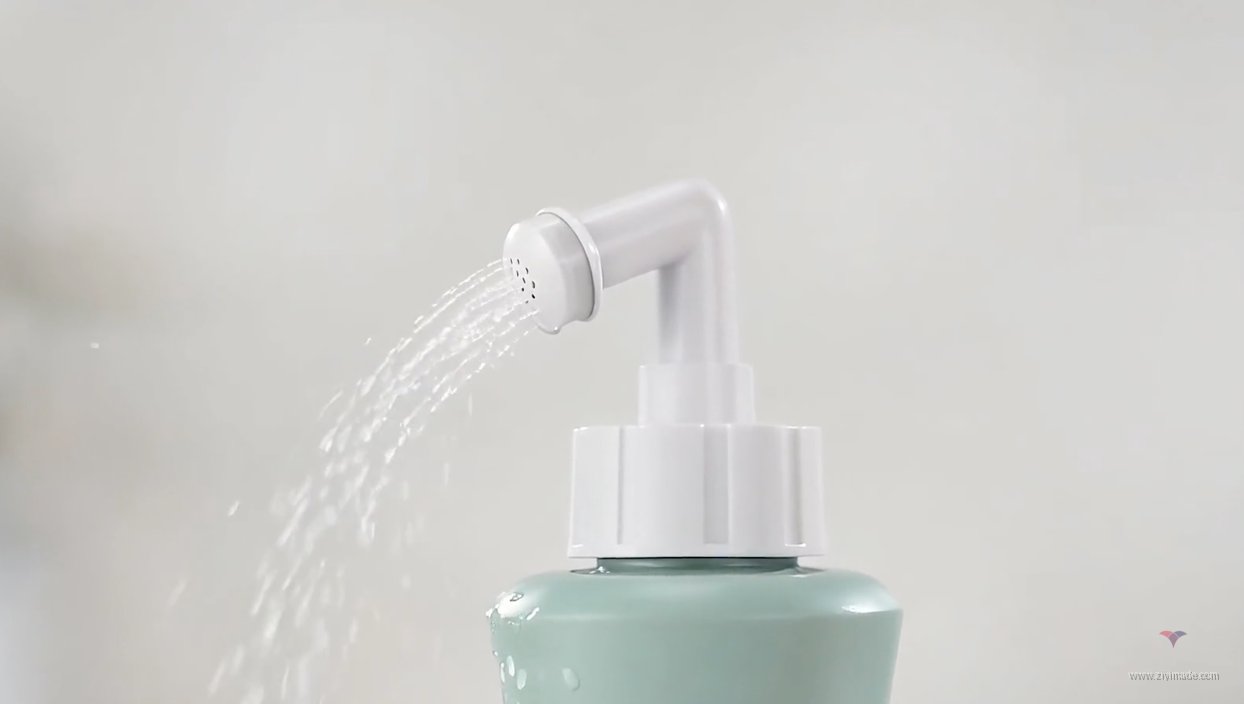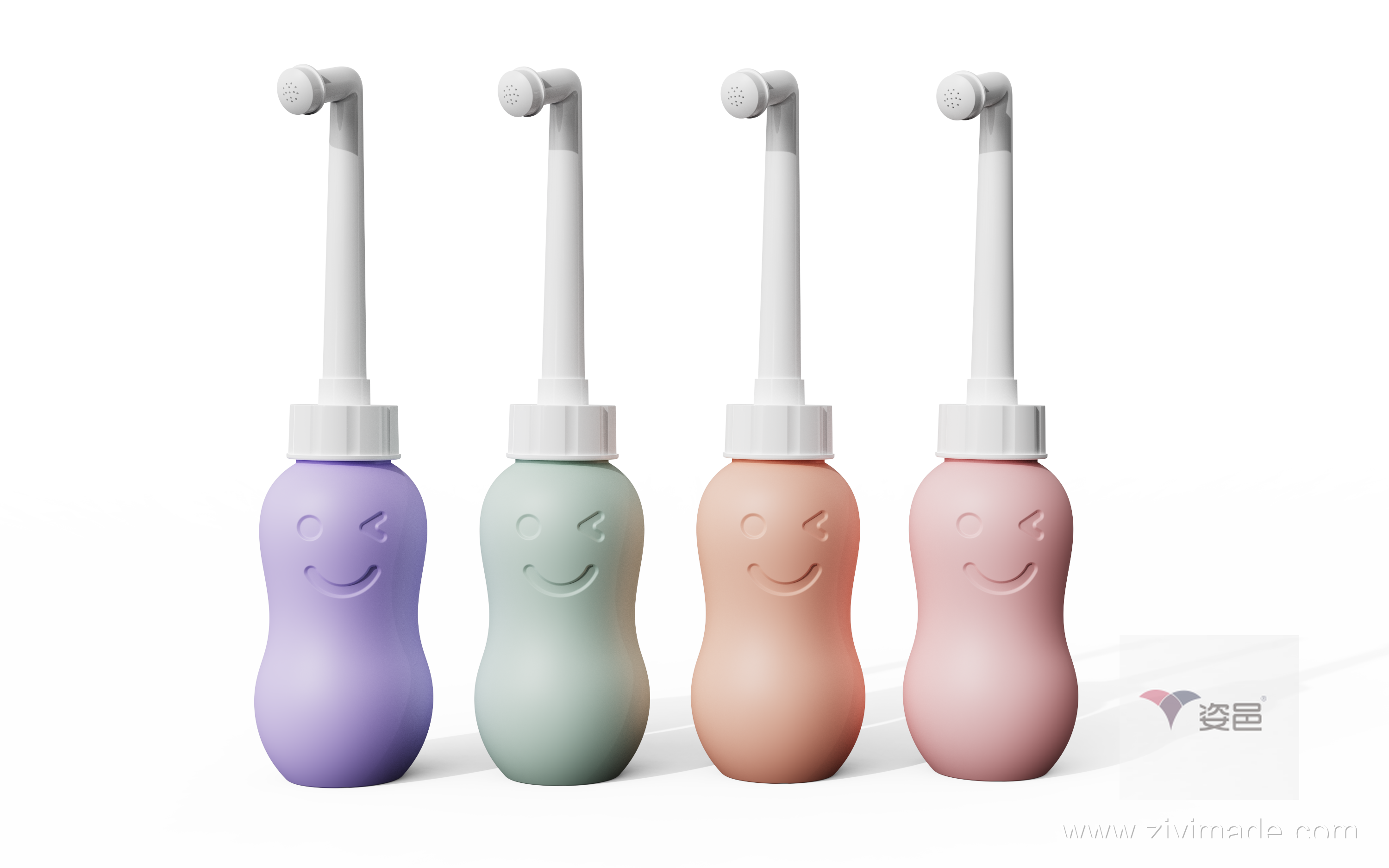
Electric peri bottles are in the trend notes. Squeeze bottles have not moved over
ODM pages call rechargeable peri bottles the next wave. Consumer roundups for birth and travel still lead with a squeeze bottle. The electric use-case is not proven at the same scale.

Search electric peri bottle and factory explainers come first: squeeze bottles are decades old; motors give steady pressure without straining the perineum. Retail not stocking them yet is written as a trend to watch. Accio’s 2026 postpartum peri-bottle note flagged “real sentiment on electric vs squeeze” as a data gap — charging SKUs exist in wholesale; they are not pinned by reviews at the same scale.
Consumer lists show the gap. Wirecutter picked an upside-down squeeze for postpartum. The Bump’s hospital bag still debates the hospital squirt bottle versus an upgraded squeeze. Travel roundups isolate USB-C electrics, then still recommend battery-free squeeze units as the simple entry. Hospital purchasing will not rewrite sterile-consumable contracts for a motor.
Electric fixes force, not the clock
Squeeze complaints are tired hands, uneven pressure, hard to aim while seated. Electric answers those three. It imports another list: charge, waterproofing, noise, spray-back, mail-in repair. Research and Markets groups electrification, medical-grade silicone and institutional buyers as one “category maturity” bundle — in plain language, electric pushes the peri bottle from hospital-bag plastic toward personal-care appliance / care-spec hardware, with heavier compliance and service.
The postpartum window is weeks. A charged device that then sits in a cupboard does not repurchase like a toothbrush. Unless electric attaches to hemorrhoid care, limited mobility or high-frequency travel, it looks like a show SKU, not a hospital-bag must.
The material upgrade is still on the squeeze layer
The firmer public shift is BPA-free, EVA/silicone hand-feel and retractable nozzles — not motors. Accio flags cheap retractable nozzles as a failure point; value-tier reviews agree. Willingness to pay for “works upside down, does not leak, takes heat” is already visible in the $12–16 band and in kits. Willingness to pay for a motor is still scattered across ODM pages and a few travel tests, with no in-ward replacement logic.
Intimate hygiene as a whole is growing — Mordor puts the 2025 market near $33 billion and about 6% CAGR to 2030, on destigmatization, microbiome formulas and digital education. The core is still washes, care and period absorbents. A squeeze bottle is a thin slice; electric is thinner.
Three questions with public answers
Will hospitals stop issuing free squeeze bottles? Not now. Is electric the default in hospital-bag media? No. Is a charged unit topping Amazon portable-bidet sales? In August 2026 the related head was still Frida’s squeeze bottle.
Electric can be a niche — mobility, or shoppers who already treat rinsing as a small appliance. Calling it the natural replacement for squeeze bottles is not what lists or procurement currently do. Trend copy can run ahead. Shelves are slower. On this object, the slow side is still the bottle you squeeze.